中国大好河山 · 潮州 Magnificent China · Chaozhou
漫步“十八梭船廿四洲”的世界启闭式古桥广济桥,抚触二十二座明清御赐石牌坊,慢品乌岽山顶鸭屎香凤凰单丛,感悟“到广不到潮,枉费走一遭”的潮汕文化原乡之美。 Cross the world's earliest pontoon-and-pier bridge at Guangji, touch 22 imperial Ming-Qing stone arches on Paifang Street, savor mountain-grown Dancong tea, and embrace the spiritual homeland of millions of Teochew worldwide.
岭东名邑 · 活态传承千载的工夫原乡 Living Tang & Song Heritage by the Han River
潮州,地处广东省东部韩江中下游,自东晋咸和六年(331年)设县建制以来,已有近1700年文脉绵延。唐代韩愈贬潮八月,“一片江山尽姓韩”,开岭东文风之先;宋代潮州窑百窑林立,瓷器泛海远达欧亚;明清商帮驾“红头船”闯荡南洋,成就“有潮水的地方就有潮人”的四海传奇。 Situated along the fertile lower reaches of the Han River in eastern Guangdong, Chaozhou has thrived for nearly 1,700 years. When revered Tang scholar Han Yu was exiled here, his benevolent governance transformed the region so profoundly that the river and hills bear his surname. Later, Song dynasty ceramic kilns and the iconic Qing "Red-Head Junks" propelled Teochew merchants across Southeast Asia and the globe.
今日潮州,依然完好保存着宋明以来的街巷肌理。晨起听韩江流水与广济桥连舟合龙,午后在明清牌坊骑楼下冲一壶高香单丛,入夜享一锅现宰手切鲜牛肉火锅与生滚海鲜砂锅粥,这里是全世界潮人魂牵梦萦的心灵故土。 Today, Chaozhou preserves an extraordinary living ancient city fabric. From the morning pontoon bridge connection to afternoon Gongfu tea rituals under Ming stone arches, and nocturnal feasts of fresh hand-cut beef hotpot, it stands as an unmatched cultural paradise.
潮州微站 · 核心章节导航 Explore Chaozhou Microsite Chapters
由表及里,系统探索岭东名邑的地标、历史、舌尖与出行全景 Navigate effortlessly through landmarks, millennial roots, authentic cuisine, and practical travel guides
地标精选 · 跨越千年的潮州营造 Signature Landmarks: Architectural Wonders
广济桥的浮梁交融、牌坊街的功名石刻、开元寺的唐宋庄严与韩文公祠的江山记忆 Marvel at the pontoon-pier mechanics of Guangji Bridge, imperial stone arches, and sacred shrines
 全国重点文保 · 启闭式古桥National Key Heritage
广济桥 (湘子桥)
始建于南宋乾道六年(1170年),与赵州桥、洛阳桥、卢沟桥并称中国四大古桥。其最为精妙之处在于“十八梭船廿四洲”,东西两段为坚固花岗岩石墩梁桥,中段韩江急流处则以18只木梭船系缆相连为浮桥。晨接暮断,白昼渡人通市,傍晚“过河拆桥”启闭排开让商船通航,被誉为“世界上最早的启闭式桥梁”。 Founded in 1170 during the Southern Song dynasty, Guangji Bridge is celebrated as one of China's Four Famous Ancient Bridges. Combining 24 massive stone piers topped with ornate pavilions and a central section of 18 connected wooden pontoon boats, it opens and closes daily for river navigation—recognized as the world's earliest movable bridge.
 中国历史文化名街Historic Paifang Avenue
潮州牌坊街
全长约1.6公里,荟萃了22座历代为朝廷重臣、名宦廉吏、科举进士所立的明清石牌坊。如纪念明代一科三同榜四进士的“四进士坊”、表彰两朝理学重臣的“文宗方伯坊”等。牌坊下是连绵不绝的南洋骑楼建筑,工夫茶馆、潮绣工坊、手打牛肉丸老铺星罗棋布,是潮州最鲜活的非遗生活走廊。 Stretching 1.6 km through the heart of the historic quarter, Paifang Street boasts 22 meticulously restored Ming and Qing stone commemorative arches celebrating imperial scholars, ministers, and virtuous statesmen. Flanked by Southeast Asian-style arcade shophouses (Qilou), it brims with heritage tea parlors, embroidery workshops, and street eateries.
 粤东第一古刹 · 唐开元敕建Tang Dynasty Buddhist Sanctuary
潮州开元寺
始建于唐玄宗开元二十六年(738年),为全国仅存的四大开元寺之一,素有“粤东第一古刹”与“古代建筑艺术明珠”之美誉。大雄宝殿巍峨庄严,保留着宋代石柱斗栱构件与精美唐代石经幢,殿内金漆木雕千佛塔与乾隆钦赐《龙藏》大藏经堪称镇寺国宝,梵音袅袅,沉香浮动。 Commissioned in 738 AD by Emperor Xuanzong of the Tang Dynasty, Kaiyuan Temple is one of only four surviving imperial Kaiyuan temples in China. Renowned as the "First Ancient Temple of Eastern Guangdong," its Mahavira Hall features original Song dynasty stone columns, Tang dharani pillars, exquisite gilded woodcarvings, and imperial Buddhist canons.
 国家重点文保 · 一代文宗Han Yu Shrine & Memorial
韩文公祠
中国现存历史最久远、保存最完好的纪念唐代大文学家韩愈的专祠。韩愈于元和十四年(819年)被贬为潮州刺史,在潮仅八月,驱恶鳄、拔良吏、赎奴婢、兴礼乐学校,政绩泽被千秋。祠内矗立苏轼名篇《潮州韩文公庙碑》:“匹夫而为百世师,一言而为天下法”,登高倚阁可俯瞰韩江与潮州古城全貌。 Perched on the verdant slopes of Han Mountain across the Han River, this is the oldest and best-preserved memorial shrine honoring Tang dynasty literatus Han Yu. During his eight-month governorship in 819 AD, Han Yu eradicated predatory crocodiles, established public schooling, and freed indentured debt servants, winning immortal gratitude from generations of Teochew people.
潮州名吃 · “食在广州,味在潮州” Teochew Gastronomy: The Art of Flavor & Freshness
联合国教科文组织“美食之都”的舌尖匠心:手切温体牛肉、单丛工夫茶道与鲜甜生滚砂锅粥 UNESCO City of Gastronomy: exquisite hand-cut beef hotpot, Dancong tea rituals, and pristine seafood congee
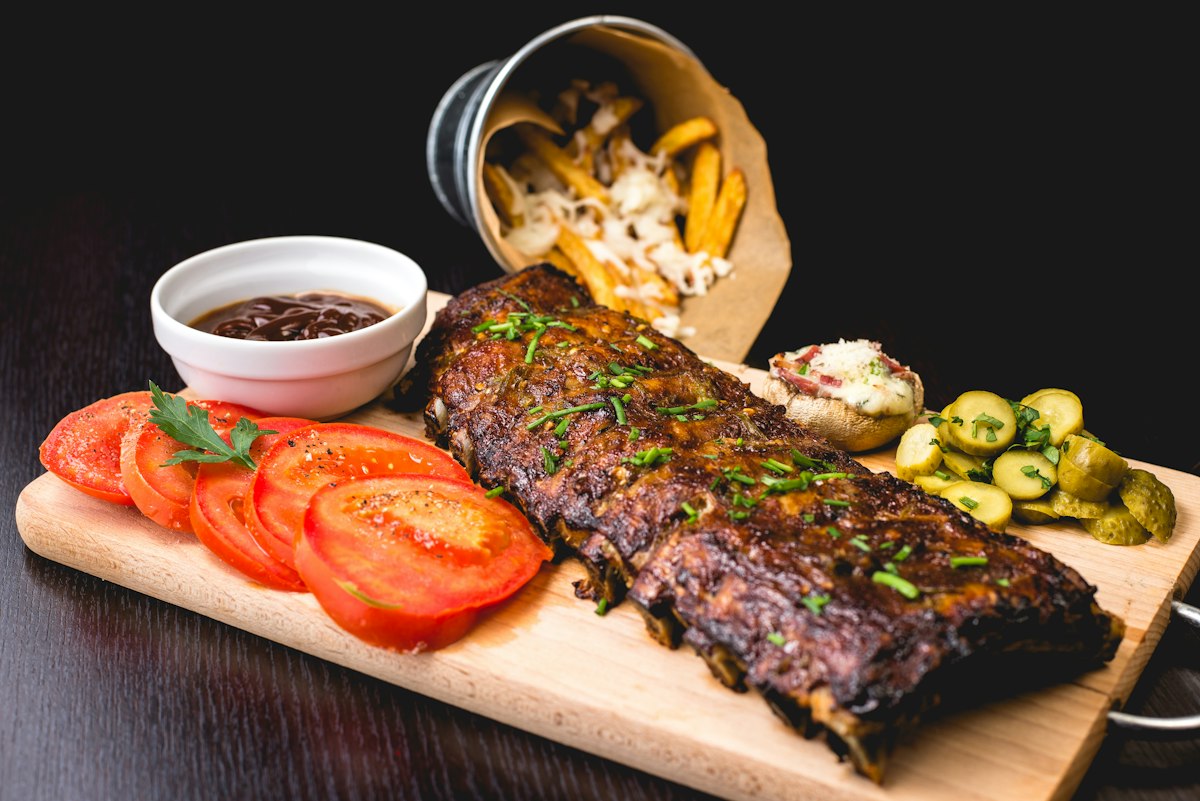 温体现宰 · 庖丁解牛Hand-Cut Fresh Beef Hotpot
潮州手切鲜牛肉火锅
潮州牛肉火锅之所以冠绝天下,在于其对“鲜”的极致执念。黄牛肉现宰后三至四小时内即送达餐桌,绝不冷冻排酸。吊龙、匙柄、三花趾、五花趾、脖仁、胸口朥,按纹理厚薄精准切片,牛骨清汤中“三浸三晾”,入口鲜甜脆嫩,蘸取特制沙茶酱,堪称舌尖绝唱。 Teochew beef hotpot is legendary for its uncompromising freshness. Warm, freshly slaughtered yellow cattle beef arrives at restaurant tables within 3 to 4 hours without freezing. Expert carvers slice distinct anatomical cuts—Diao Long (sirloin), Chi Bing (tender chuck), and Wu Hua Zhi (shank muscle)—flash-boiled for seconds in light beef broth.
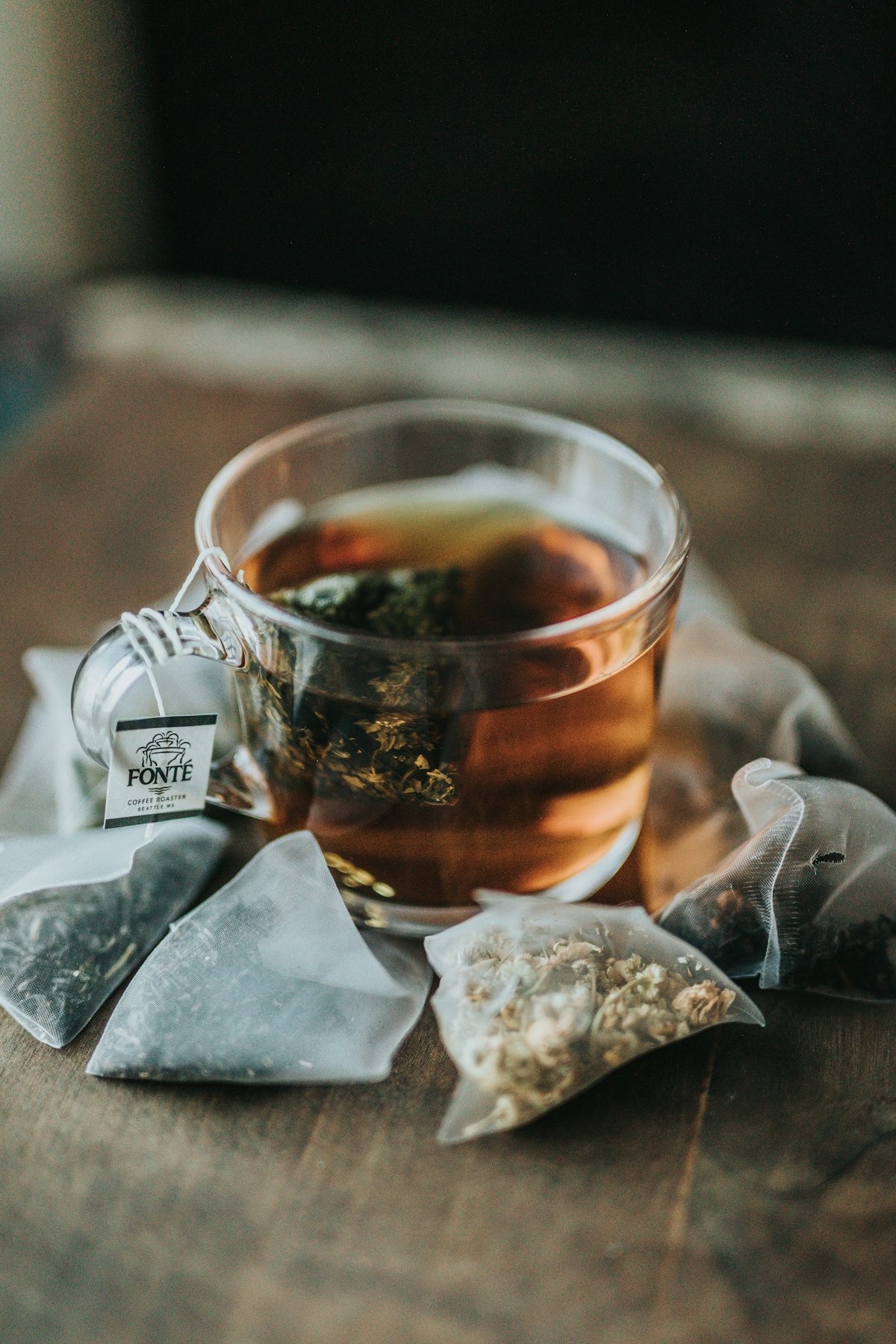 茶中香水 · 国家非遗Chaozhou Gongfu Tea
潮州工夫茶与凤凰单丛
“宁可三日无米,不可一日无茶”。潮州工夫茶是中国古老茶道的活化石,“和、敬、精、乐”贯穿始终。备具、纳茶、高冲、低斟,讲究“关公巡城、韩信点兵”。配以产自凤凰山海拔千米以上的单丛乌龙茶,尤以鸭屎香(银花香)、蜜兰香、黄枝香闻名,兰香卓绝,回甘悠长。 "Better three days without rice than one day without tea." Teochew Gongfu tea is the living embodiment of ancient Chinese tea rituals. Masterfully brewed in Mengchen clay teapots with Fenghuang Dancong oolong tea harvested from thousand-meter misty peaks, each sip yields mesmerizing floral aromas like duck shit fragrance (honeysuckle) and honey orchid notes.
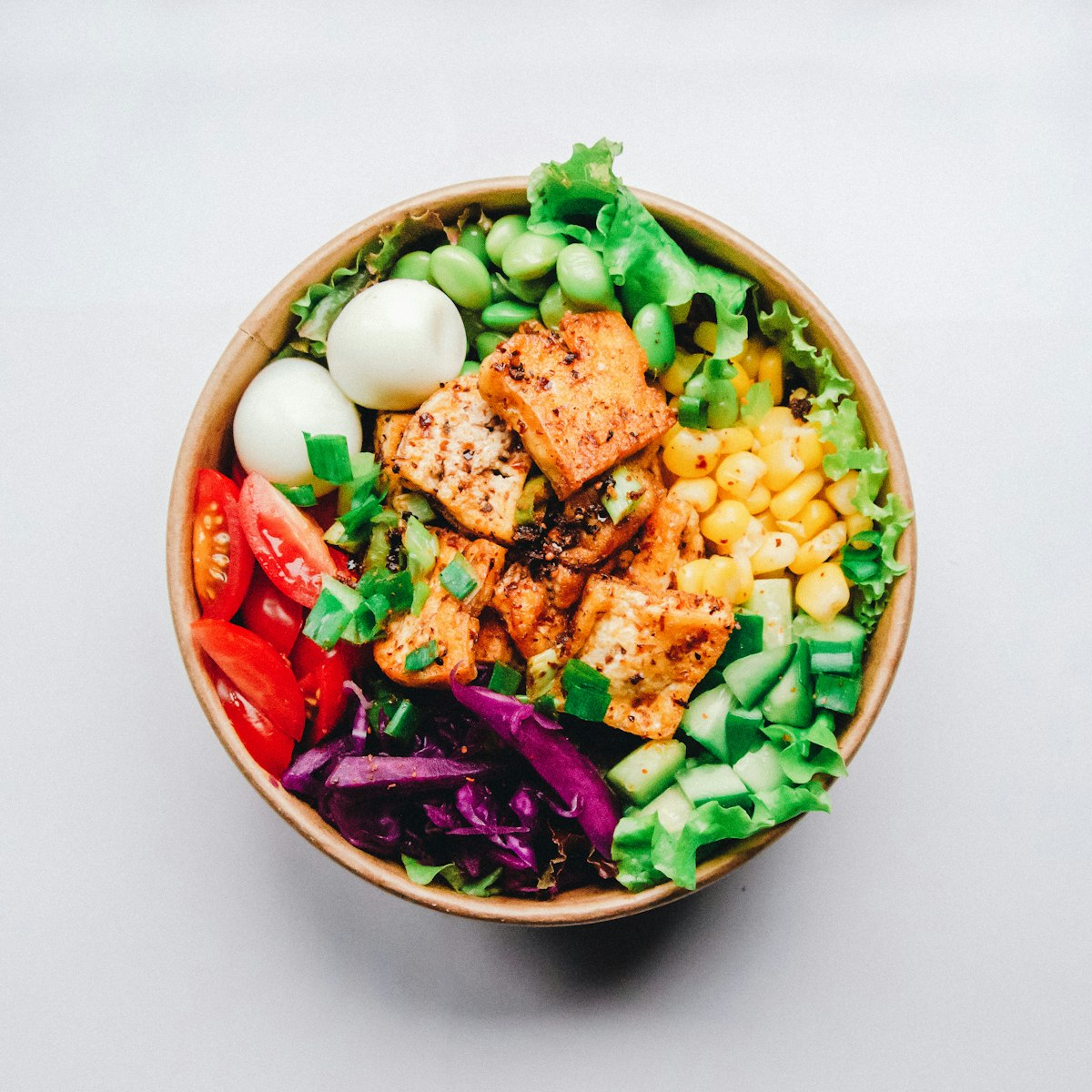 水米交融 · 现点生滚Claypot Seafood Porridge
潮州砂锅粥与生滚白粥
潮州砂锅粥选用东北珍珠米或本地晚稻,砂锅明火生滚,现点现斩活膏蟹、鲜明虾、干贝。米粒粒分明而米汤浓郁滑润,冬菜与南姜去腥提鲜,滚烫出锅鲜美不可方物。夜宵更有一碗晶莹澄澈的生滚白粥,搭配潮州杂咸百味(橄榄糁、麻叶、贡菜、红肉米),抚慰深夜肠胃。 Cooked over roaring flames in earthen clay pots, Teochew porridge uses freshly shucked swimming crabs, live shrimp, and dried scallops added into simmering rice broth. The grains remain distinct while the soup becomes velvety and naturally sweet. At late-night congee stalls, plain white congee paired with dozens of salted condiments (Zaxian) offers timeless comfort.
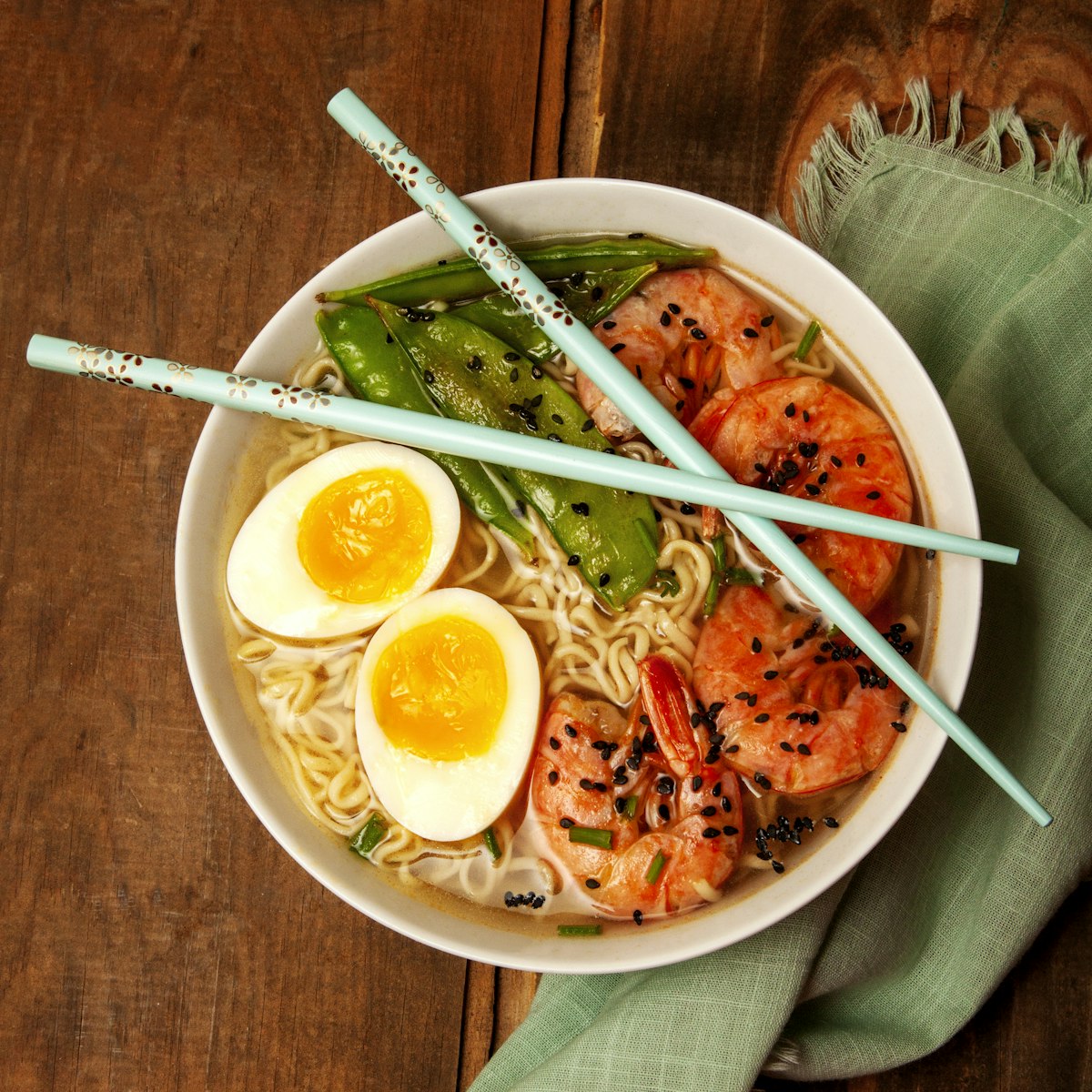 镬气蒸腾 · 沙茶生香Fried Kway Teow
潮州牛肉炒粿条
纯大米磨浆蒸制而成的纯正潮汕粿条,质地软糯顺滑米香浓郁。师傅手持铁镬,猛火热油将粿条煎至微焦带黄,另起镬快炒鲜牛肉与爽脆芥蓝,淋入香醇沙茶酱与生粉水勾浓芡,泼在粿条之上。镬气奔涌,肉质滑嫩,是潮州街巷最具烟火气的平民美味。 Handmade flat rice noodles (Kway Teow) are seared in blazing woks until slightly charred, imparting irresistible "wok hei" (breath of the wok). Fresh slices of tender beef and crisp Chinese kale (Gai Lan) are quickly stir-fried with savory Teochew satay sauce and poured sizzling hot over the golden noodles.
立体交通 · 轻松抵离潮州古城 Transit & Arrival Guide: Seamless Access
揭阳潮汕国际机场、潮汕高铁站与广梅汕铁路多维交通直达古城 Effortless connectivity via Jieyang Chaoshan Airport (SWA), High-Speed Rail, and local transit
揭阳潮汕国际机场 (SWA)Jieyang Chaoshan Airport (SWA)
潮汕地区核心民航枢纽,直飞北京、上海、广州、成都、新加坡、曼谷等国内外各大城市。机场出口设有前往潮州市区的专线机场大巴(约40-50分钟,直达潮州金信大厦/潮州金石酒店),打车或网约车至古城牌坊街约50-60元。 The primary regional gateway connecting major domestic hubs and Southeast Asian capitals. Direct airport shuttle buses run to downtown Chaozhou in 40–50 minutes, or hail a cab/rideshare directly to the Ancient City for approx. ¥50–60.
潮汕高铁站 (沙溪站)Chaoshan Railway Station (HSR Hub)
厦深高铁与梅汕高铁重要客运枢纽。出站即可乘坐直达潮州古城的K1路/K2路公交快线或高铁客运专线,约30分钟直达潮州客运总站及牌坊街南门,班次密集,早晚班车衔接高铁抵离。 Major junction of the Xiamen-Shenzhen and Meizhou-Shantou HSR lines. Express transit buses (Lines K1 and K2) depart directly from the station to Chaozhou Ancient City every 15–20 minutes, arriving in just 30 minutes.
潮州站与古城内绿色交通Chaozhou Station & Ancient City
广梅汕铁路潮州站位于市区新洋路,承接普速旅客列车。古城核心区(牌坊街、开元寺、广济门)推荐步行漫游或租借公共自行车;城门外设有古城观光电瓶车环线与韩江游船,尽揽滨江画卷。 Chaozhou Station in the central district handles conventional train routes. Within the Ancient City quarter, pedestrian walking or shared bicycles are ideal. Sightseeing electric trams and riverboats connect outer gates along the scenic Han River corridor.