首页Home 名胜地标Landmarks 历史底蕴History 地道美食Cuisine 实用攻略Guide
岭东胜景 · 营建典范Architectural Marvels

潮州名胜地标 · 跨越千年的营造智慧 Historic Landmarks & Architectural Marvels of Chaozhou

从中国四大古桥之一广济桥的浮梁交融,到牌坊街二十二座明清功名石柱;从唐开元寺的宋构斗栱,到韩文公祠的千秋文脉与凤凰山高山梯田茶园 Explore the world's earliest pontoon bridge, imperial commemorative arches, Tang and Song dynasty sacred halls, and alpine tea plantations

广济桥 Guangji Bridge - Ancient Pontoon & Pier Bridge 国宝重点 · 启闭式浮梁结合National Key Heritage

广济桥 (湘子桥)

Guangji Bridge - Xiangzi Bridge / Ancient Pontoon & Pier Bridge

广济桥横跨于潮州古城东门外的韩江之上,与赵州桥、洛阳桥、卢沟桥齐名,并称“中国四大古桥”。始建于南宋乾道六年(1170年),历经数百年扩建,最终形成“十八梭船廿四洲”的独步天下之格局。全长约518米,东西两端由24座庞大的花岗岩石砌桥墩承托起梁桥,每座墩台上建有雕梁画栋、形态各异的亭台楼阁(俗称“廿四楼台廿四样”),古代商旅在桥亭设摊营生,故有“一里长桥一里市”之说。 Spanning the rapid Han River outside Guangji Gate, Guangji Bridge is celebrated alongside Zhaozhou, Luoyang, and Lugou as one of China's Four Famous Ancient Bridges. Founded in 1170 during the Southern Song dynasty, it spans 518 meters and comprises 24 massive granite stone piers supporting classical pavilions, dubbed "24 piers with 24 distinct pavilions," earning the historic proverb "One li of bridge, one li of vibrant bustling marketplace."

桥梁最核心的工程智慧在于其中段:面对韩江夏秋暴涨的洪流与繁密的货运通航需求,古人巧妙地在江心急流区采用18艘大型木梭船以铁链缆绳相连成浮桥。白天连舟成桥供行人往来,傍晚17:00定时“过河拆桥”,解开铁缆将梭船移向两岸排开,恢复韩江主航道让货船通航,次日清晨再次合龙。此创举使其成为人类工程史上最早的启闭式桥梁。桥上尚存明代铸造之镇水铁牛,见证“民齐者强”之古训。 Its defining hydraulic brilliance lies in the middle section: 18 wooden shuttle boats tethered together to form a dynamic pontoon bridge across the swiftest currents. By day, pedestrians stroll across; at 17:00 each evening, the pontoons are detached and maneuvered to the banks, opening an unobstructed navigational channel for river traffic before re-docking at dawn—making it the world's earliest retractable bridge.

地址:潮州市湘桥区环城东路广济门城楼外Location: East Ring Road outside Guangji Gate Tower
开放时段:09:00 - 17:00(16:30停止检票,17:00开始拆桥启闭演示)Hours: 09:00–17:00 (Pontoon opens at 17:00 daily)
门票指南:20元/人(古城惠民文旅套票可联动使用)Admission: ¥20 per person
牌坊街 Paifang Street - 22 Ming & Qing Arches 中国历史文化名街 · 石雕长廊Historic Paifang Avenue

牌坊街

Paifang Street - 22 Ming & Qing Commemorative Stone Arches

潮州古城太平路牌坊街全长1948米,是目前全国乃至全球规模最大、牌坊密度最高的明清石牌坊街区。历史上潮州曾有牌坊91座,仅太平路便密集伫立39座。如今复原修缮的22座古牌坊巍峨挺拔,多为三门四柱三楼或四柱五楼结构,全由优质泉州白与潮州本地坚硬花岗岩榫卯咬合搭建,梁枋上镂雕有双龙戏珠、麒麟献瑞、狮子戏球等繁密图案。 Stretching nearly 2 kilometers along Taiping Road, Paifang Street is China's grandest and densest concentration of historic commemorative stone arches. Historically boasting 39 arches along this single axis, 22 monumental Ming and Qing stone portals have been faithfully restored using mortise-and-tenon granite architecture adorned with intricate relief carvings of dragons, qilins, and auspicious celestial beasts.

街内牌坊每一座皆记载着潮州杰出先贤的功名与家国情怀:如“四进士坊”纪念明嘉靖二年(1523年)同榜高中的苏信、成子学、薛侃、杨砢四位同乡重臣;“文宗方伯坊”表彰两朝理学大儒与布政使;“状元坊”则颂扬南宋乾道八年潮州唯一文状元林大钦。牌坊之下,连绵铺展着融合西洋古典装饰与岭南特色的南洋骑楼建筑,工夫茶馆茶香四溢,潮州大吴泥塑、潮绣、金漆木雕大师工作室汇聚于此,是体验“潮州活态生活”的第一现场。 Each arch commemorates imperial civil service triumphs and moral exemplars: the "Four Jinshi Arch" honors four local scholars who passed the imperial examinations together in 1523; the "Wenzong Fangbo Arch" recognizes eminent neo-Confucian scholars; and the "Zhuangyuan Arch" marks Lin Daqin, Chaozhou's imperial first-rank scholar. Below the arches, continuous Southern Arcade (Qilou) verandas shelter teahouses, embroidery ateliers, and culinary legends.

地址:潮州市湘桥区太平路(南起下西平路,北至广济门城楼)Location: Taiping Road, Xiangqiao District, Chaozhou
漫游推荐:白天品评石雕书法细节,入夜灯光映照骑楼别有韵致Highlight: Marvel at stone calligraphy by day; nighttime illumination offers poetic arcade charm
门票指南:全天免费开放漫游Admission: Free public pedestrian promenade
潮州开元寺 Chaozhou Kaiyuan Temple 全国重点文保 · 唐开元镇寺Tang Dynasty Kaiyuan Zhensi

潮州开元寺

Chaozhou Kaiyuan Temple - Tang Dynasty Kaiyuan Zhensi

始建于唐玄宗开元二十六年(738年),敕名“开元寺”,元代改称“开元万寿禅寺”,明代定名“开元镇国禅寺”。寺院占地面积近两万平方米,规模宏大,不仅是粤东第一古刹,更与福州开元寺、泉州开元寺、邢台开元寺并称为中国仅存四大开元名寺,被国内外建筑学家赞誉为“古代建筑艺术明珠”。 Established in 738 AD under the imperial edict of Emperor Xuanzong of the Tang Dynasty, Kaiyuan Temple occupies over 20,000 square meters. As the premier Buddhist sanctuary of Eastern Guangdong and one of China's four surviving Tang Kaiyuan temples, it is revered by architects as a shining jewel of ancient Chinese temple design.

全寺建筑布局严谨对称,历经唐、宋、元、明、清各代修葺,融汇了跨越千年的建筑艺术精华。大雄宝殿巍峨挺拔,面阔五间,进深四间,其殿内硕大的覆盆式石柱础、粗壮的石柱与雄浑古朴的斗栱构件,完整保留了宋代营造原物;大殿屋脊嵌瓷双龙夺宝、五色琉璃瓦在阳光下熠熠生辉。寺内藏有唐代石经幢两座、宋代政和四年大铜钟、元代陨铁大香炉、明代金漆木雕千佛塔及清乾隆钦赐《龙藏》大藏经,实为岭东佛教文化之圣岳。 The layout exhibits majestic classical symmetry. The Mahavira Hall retains authentic Song dynasty monolithic stone pillars, bracket sets, and bell-shaped bases. Treasure troves within include two Tang dynasty stone dharani pillars, a massive Song bronze bell cast in 1114, a Yuan dynasty meteorite incense burner, Ming gilded thousand-Buddha woodcarvings, and imperial Qing Buddhist scriptures bestowed by Emperor Qianlong.

地址:潮州市湘桥区开元路32号(近牌坊街中段)Location: 32 Kaiyuan Road, Xiangqiao District, Chaozhou
开放时段:08:00 - 17:00(全年无休,晨钟暮鼓)Hours: 08:00–17:00 Daily
门票指南:免费开放入内参礼拜谒Admission: Free entry
韩文公祠 Han Yu Memorial Hall / Han Wengong Shrine 全国重点文保 · 笔架山韩祠Han Yu Memorial Shrine

韩文公祠

Han Yu Memorial Hall / Han Wengong Shrine

坐落于韩江东岸笔架山(韩山)中峰山麓,依山临水,苍松翠柏环抱,是全国现存历史最久远、保存最完好的纪念唐代大文学家、思想家、政治家韩愈的专祠。始建于南宋淳熙十六年(1189年),距今已有八百余年历史。唐元和十四年(819年),韩愈因谏迎佛骨被贬为潮州刺史,在潮虽仅短短八个月,却以卓越政绩赢得了潮汕百姓世代由衷敬仰。 Nestled amidst verdant pine forests on the slopes of Han Mountain on the eastern bank of the Han River, this is China's oldest and grandest memorial dedicated to Tang dynasty literary giant and statesman Han Yu. Founded in 1189 during the Southern Song dynasty, it commemorates Han Yu's historic eight-month term as Prefect of Chaozhou in 819 AD following his exile for remonstrating against the imperial worship of Buddhist relics.

韩愈到任后,祭文驱鳄解民之厄,出己俸赎放被典卖为奴的贫民子女,延请赵德兴学育才,潮州文风自此大振。潮人感念其德,“赢得江山都姓韩”——恶溪改称韩江,笔架山改名韩山。祠内正殿矗立韩文公塑像,院内竖有北宋大文豪苏轼亲撰之《潮州韩文公庙碑》,碑文中“匹夫而为百世师,一言而为天下法”十二字千古流芳;碑廊镶嵌有自宋代以来的历代名家石刻近四十方,后山侍郎阁登临处韩江碧波与广济桥尽入眼帘。 During his brief tenure, Han Yu cast out predatory river crocodiles, liquidated personal funds to liberate debt slaves, and appointed scholar Zhao De to revive education, sparking an enduring renaissance in Eastern Guangdong. Grateful locals named both the river and mountains after him. The shrine houses Su Shi's celebrated inscription eulogizing Han Yu as "a commoner who became a teacher for a hundred generations," alongside rare Song-Qing stone tablets and panoramic vistas of the Han River.

地址:潮州市湘桥区东兴北路韩江东岸Location: Dongxing North Road, East Bank of Han River
开放时段:08:30 - 17:00(16:30停止入园,逢周一闭馆维护,法定节假日除外)Hours: 08:30–17:00 (Closed Mondays except holidays)
门票指南:免费预约参观(持有效身份证件换票入园)Admission: Free admission with valid ID reservation
广济楼与古城墙 Guangji Gate Tower & Ancient City Wall 古城东正门 · 歇山殿宇Ancient City Wall & Tower

广济楼与古城墙

Guangji Gate Tower & Ancient City Wall

广济门城楼始建于明洪武三年(1370年),俗称“东门楼”,是潮州古城七大城门中最为壮丽的东面正门,也是韩江水陆交通的重要咽喉。城楼高踞于古城砖石台基之上,仿宫殿式重檐歇山顶建筑,通高24.5米,面阔五间,进深三间,梁枋穿插紧凑,红墙朱漆绿琉璃瓦,巍峨雄奇,历代被誉为“岭东名门”。 Constructed in 1370 during the early Ming Dynasty, Guangji Gate Tower (popularly called the East Gate Tower) is the grandest of Chaozhou's seven ancient city gates. Perched atop a robust masonry rampart, this three-tiered palace-style gatehouse features hip-and-gable double eaves, vermilion columns, and emerald glazed roof tiles, soaring 24.5 meters above the Han River.

城楼两侧向南北延伸的潮州明代砖石古城墙全长两千余米,沿韩江西岸蜿蜒铺展,依江设防。下水门、上水门、竹木门城门洞与堞垛战道保存完好。登临广济楼,眼前碧波浩渺的韩江、宛若浮桥画卷的广济桥与对岸郁郁葱葱的韩山笔架峰尽收眼底;入夜时分,城楼飞檐斗栱金光璀璨,与韩江水幕灯光秀交相辉映,宛若人间仙境。 Extending north and south from the gatehouse are over two kilometers of well-preserved Ming brick battlements and archways including Xiashui Gate, Shangshui Gate, and Zhumu Gate. Standing atop Guangji Tower offers an incomparable vista: the shimmering Han River, Guangji Bridge's pontoons, and the peaks of Han Mountain across the water, illuminated at dusk in golden majesty.

地址:潮州市古城区环城东路与广济桥西端交汇处Location: East Ring Road at the western foot of Guangji Bridge
开放时段:古城墙全天开放;城楼展厅08:30 - 17:30Hours: Wall open 24/7; Tower exhibitions 08:30–17:30
凤凰山天池与单丛茶园 Fenghuang Mountain & Dancong Oolong Tea Plantations 潮州第一高峰 · 乌岽天池Fenghuang Mountain & Tea Roots

凤凰山天池与单丛茶园

Fenghuang Mountain & Dancong Oolong Tea Plantations

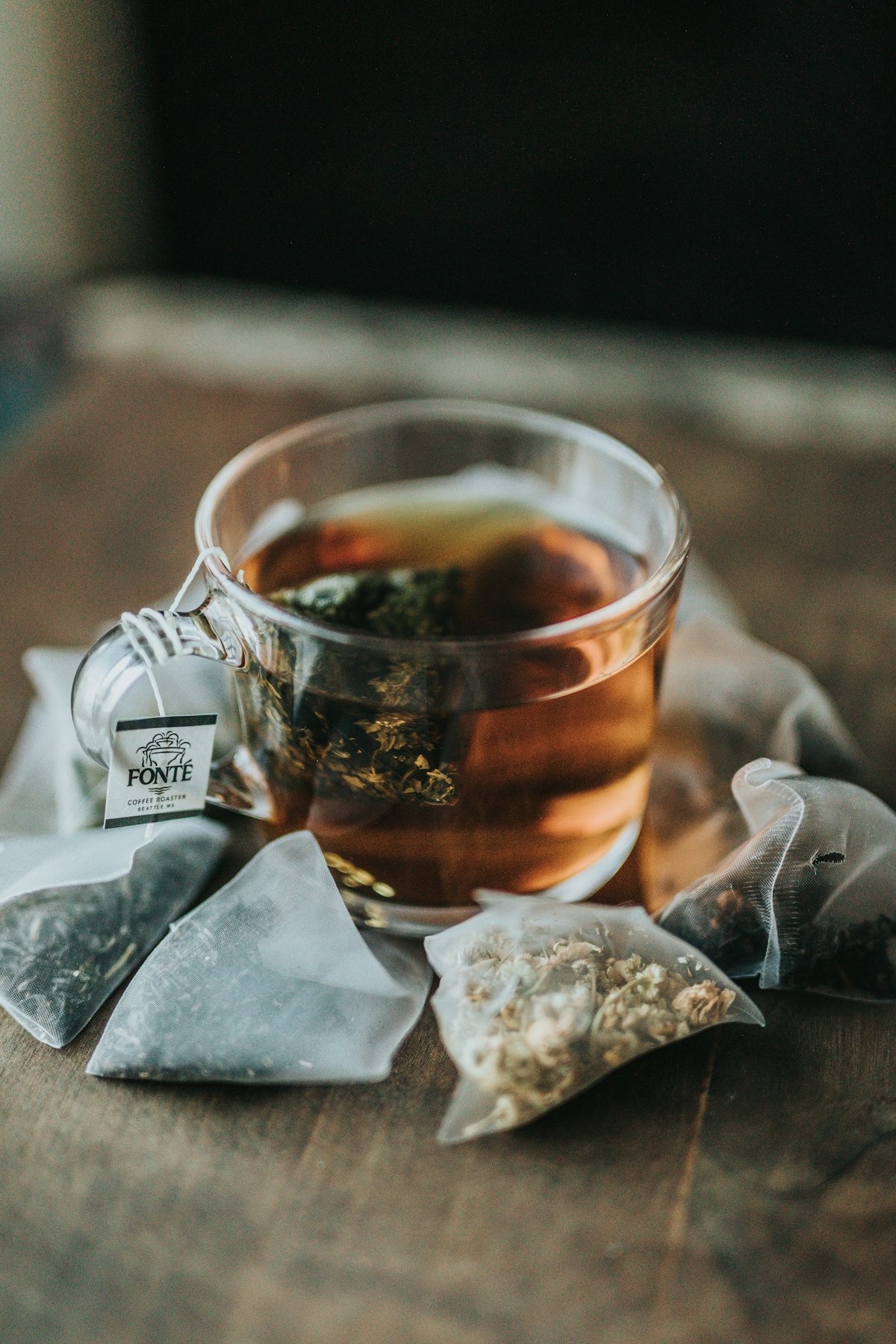
凤凰山耸立于潮州市潮安区北部,主峰凤凰髻海拔1497.8米,为潮汕第一高峰。次峰乌岽山海拔1391米,山巅有一汪清澈碧蓝的古火山口湖——凤凰天池。天池常年云雾缭绕,湖水清冽甘美,古树虬枝倒映池中,日出云海、流岚雾霭变幻万千,被誉为“南国仙境”。这里不仅是畲族先民的发祥地,更是举世闻名的中国乌龙茶极品——“凤凰单丛”的核心祖地。 Towering over northern Chao'an District, Fenghuang Mountain culminates at Phoenix Peak (1,497.8 m), the highest summit in Eastern Guangdong. On nearby Wudong Peak (1,391 m) rests the ethereal Tianchi (Heavenly Lake), a prehistoric volcanic crater lake enveloped in swirling mists and sea of clouds. Fenghuang Mountain is both the ancestral cradle of the She ethnic minority and the pristine terroir of Fenghuang Dancong oolong tea.

在海拔800至1200米的高山梯田茶园中,散布着数万株百年以上的单丛古茶树,更有传承数百年的南宋“宋种”母树枝繁叶茂。高山富含有机质的红黄壤土与常年充沛的云雾雨露,赋予了凤凰单丛“单株采制、单株发酵、十大香型、幽兰回甘”的极致品质。茶客登临天池,探访茶农老作坊,伴着柴火慢焙的单丛茶香,真切领略天人合一的潮汕茶道本源。 Blanketing steep granite ridges between 800 and 1,200 meters are thousands of ancient tea arbor trees, including legendary "Song-seed" mother tea trees dating back over 700 years. The unique microclimate, fertile mineral soil, and misty canopy yield Dancong's distinct tea profiles—celebrated for ten distinct natural floral fragrances, thick mineral texture, and lingering honey sweetness.

地址:广东省潮州市潮安区凤凰镇乌岽村Location: Wudong Village, Fenghuang Town, Chao'an District
推荐游览:春季采茶季体验手工制茶,晨起登乌岽顶观天池日出与高山云海Highlights: Spring harvest tea tasting & sunrise over Heavenly Lake